
Founded in 2024, the Fangtang Institute draws upon Tsinghua University’s multidisciplinary strengths and its distinctive traditions in the humanities and social sciences. The Institute is dedicated to establishing itself as a wellspring of original innovation with global influence, and to cultivating a world-leading center for interdisciplinary inquiry at the confluence of science and the humanities.
Mission
The name “Fangtang” (方塘, literally “square pond”) is drawn from Reflections While Reading by the Song-dynasty philosopher Zhu Xi:
A half-mou square pond opens like a mirror, Where sunlight and drifting clouds linger in reverie. Ask how it stays so limpid and clear — It is because living waters flow from the source.
Guided by this vision, the Institute takes as its mission and guiding orientation “the sustained exploration and dissemination of the intellectual premises, cultural underpinnings, and educational principles that nurture world-class innovative minds and give rise to landmark original discoveries.” Through enduring effort, it aspires to channel ever more “living waters from the source” into scholarly inquiry.
Research Orientation
From its inception, the Fangtang Institute has embraced its calling as a place for the exploration of ideas and the germination of new thought. In a spirit of reform and openness, it actively fosters a culture of innovation, enriches the soil in which innovation may take root, and promotes profound intellectual exchange across disciplinary boundaries. Bound together by a shared “scholarly aesthetic sensibility toward people, problems, and methods” , the Institute seeks to convene the world’s foremost scholars — those who uphold purely academic ideals and pursue first-rate theoretical achievements with unwavering resolve. It aims to shape a new scholarly ecology, to advance breakthroughs at the frontiers of both the humanities and the sciences, and to offer intellectual guidance to humanity as it enters the age of artificial intelligence.
Renewing Shengyin Courtyard No. 29
Built in 1946, Shengyin Courtyard No. 29 is now home to the Fangtang Institute at Tsinghua University. Watch the film to discover the building’s history and its new chapter with Fangtang.
Further Reading
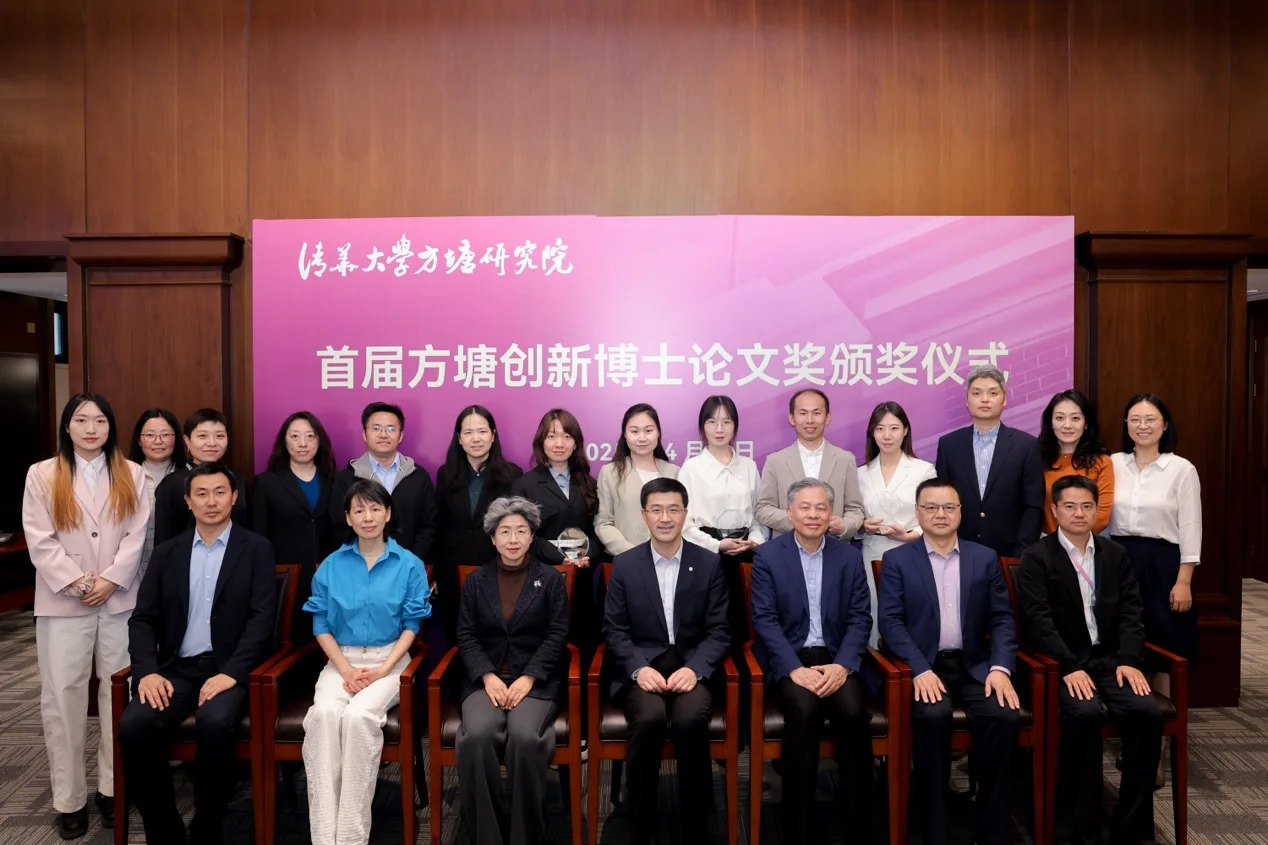
Nourishing the Roots of Civilization at the Source of Wisdom
Address at the inaugural Fangtang Doctoral Dissertation Award ceremony in 2025.
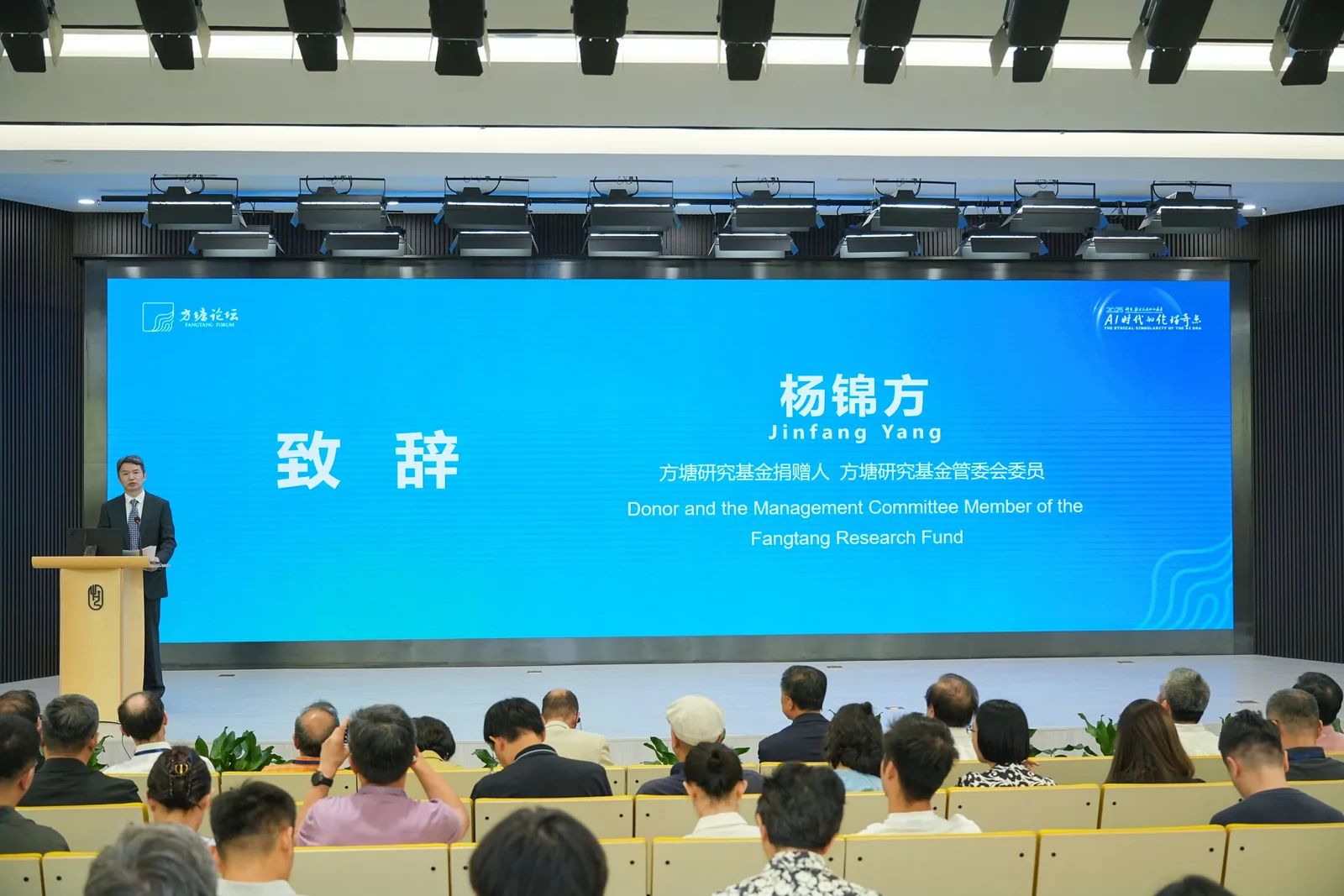
Face Technology with Humility, Safeguard the Humanities with Reverence, and Define the Future with Initiative
Opening address at the inaugural Fangtang Forum in 2025.
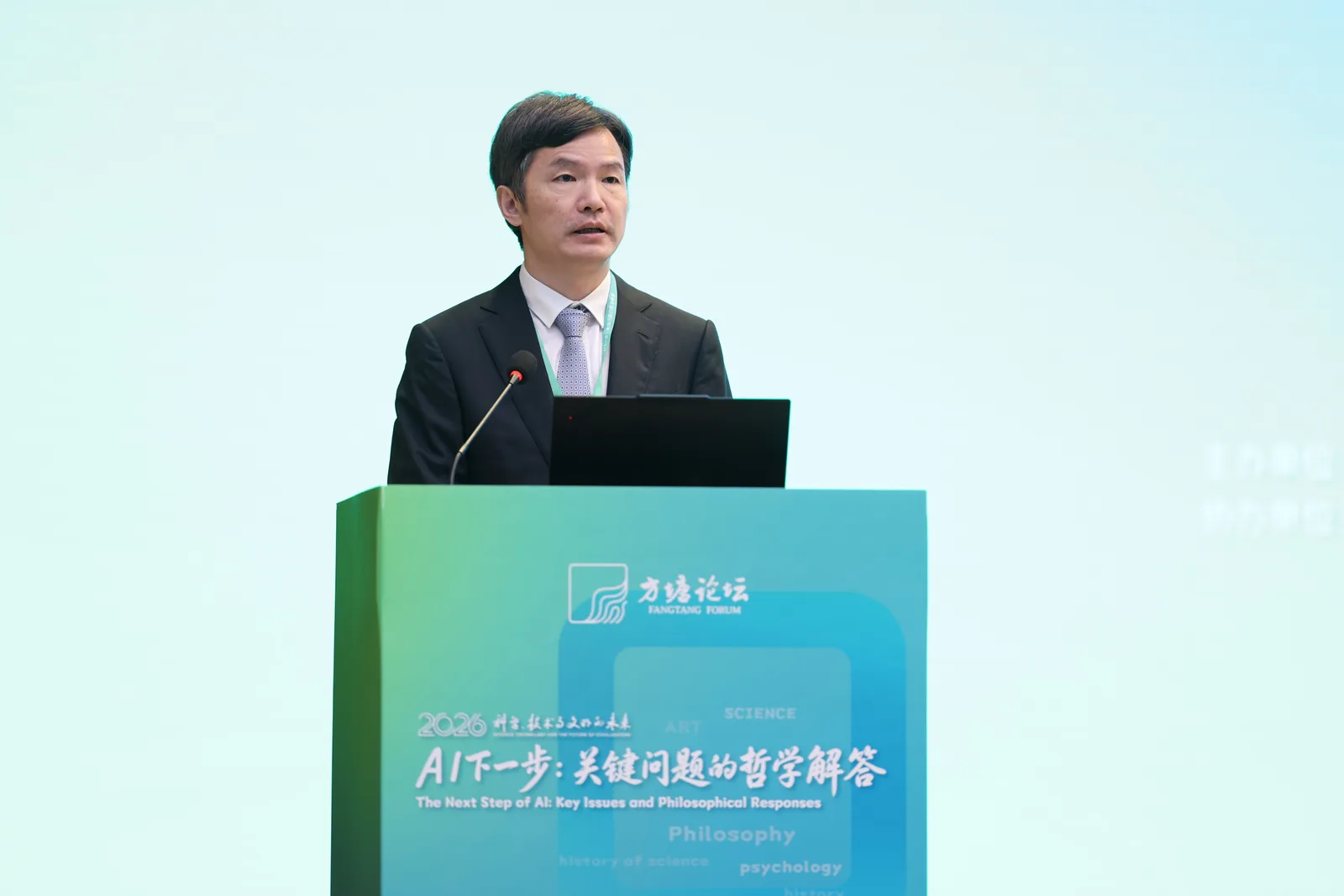
The Fangtang Questions: From Ethical Relations in the AI Age to Breakthroughs in a New Axial Age
Address at the second Fangtang annual forum in 2026.
Shengsheng Annual Report
 Shengsheng2025 digital editionRead online