
Artificial intelligence brings more than changes in tools and efficiency. When machines take part in judgment, creation, and the production of knowledge, questions of understanding, subjectivity, and reliable knowledge can no longer be answered by inherited formulas. AI ethics cannot therefore be reduced to adding rules to particular technologies. It must begin by clarifying the phenomena before us and the concepts and methods needed to understand them.
This theme develops three connected lines of inquiry: foundational questions in AI ethics; how people may find their place in the age of AI; and how social structures and political-economic orders may change. It considers the limits of concepts such as intelligence, consciousness, meaning, and autonomy, while attending to changes in knowledge and truth, labour and intimate relationships, power and distribution. Philosophy, the humanities, and technical research bring their perspectives to these concrete questions, seeking a more careful understanding of human-AI coexistence and its possible futures.
Research Articles
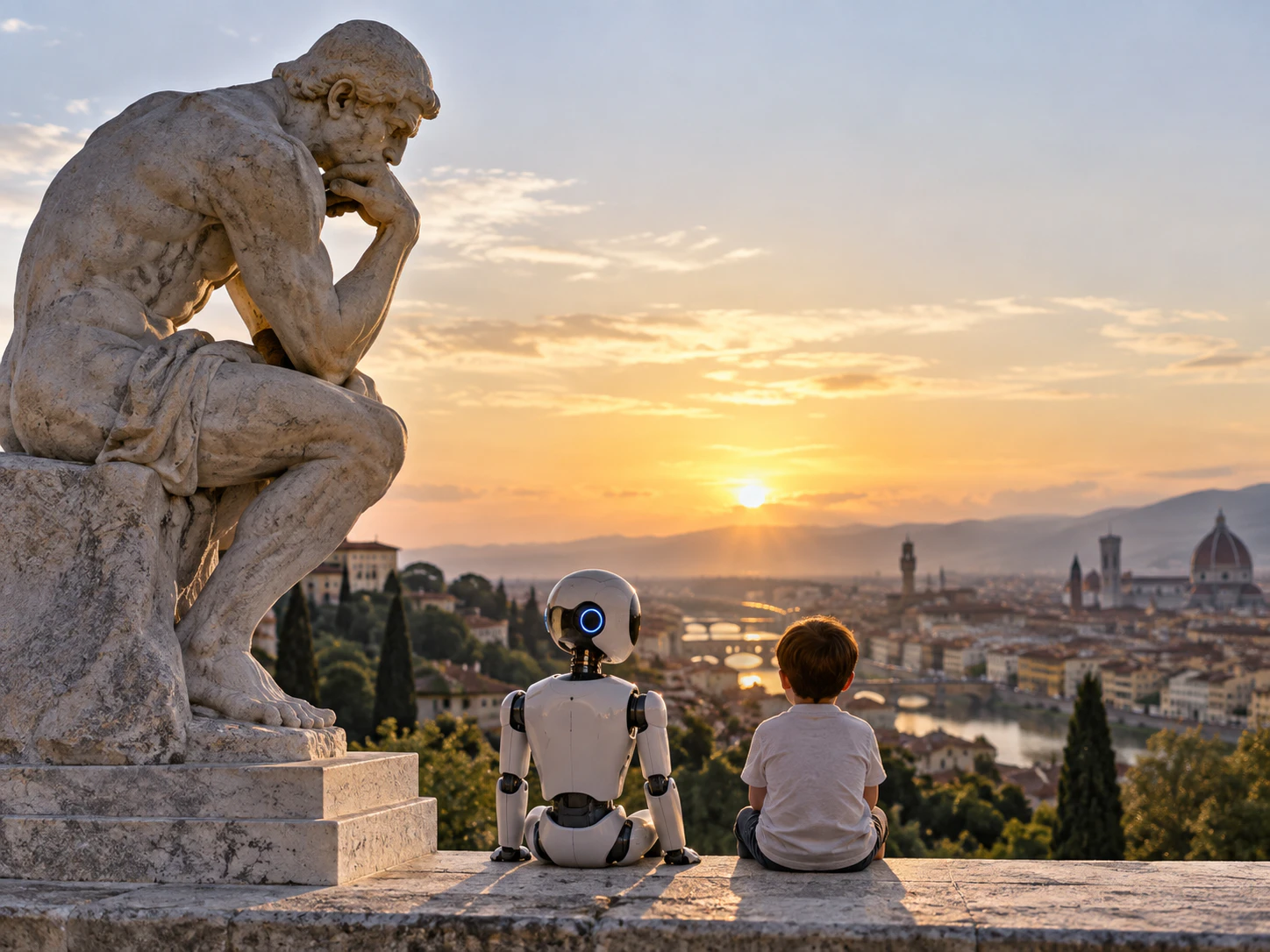
AI Ethics and the Ethics of Human Survival

The Ethics and Limits of Thought in Artificial Intelligence

AI Virtue

The Cogito Test: A Proposed Refinement of the Turing Test

A Confucian Examination of the Ethical Boundaries of Companion Robots

Reframing the Future: Anticipation and Responsibility
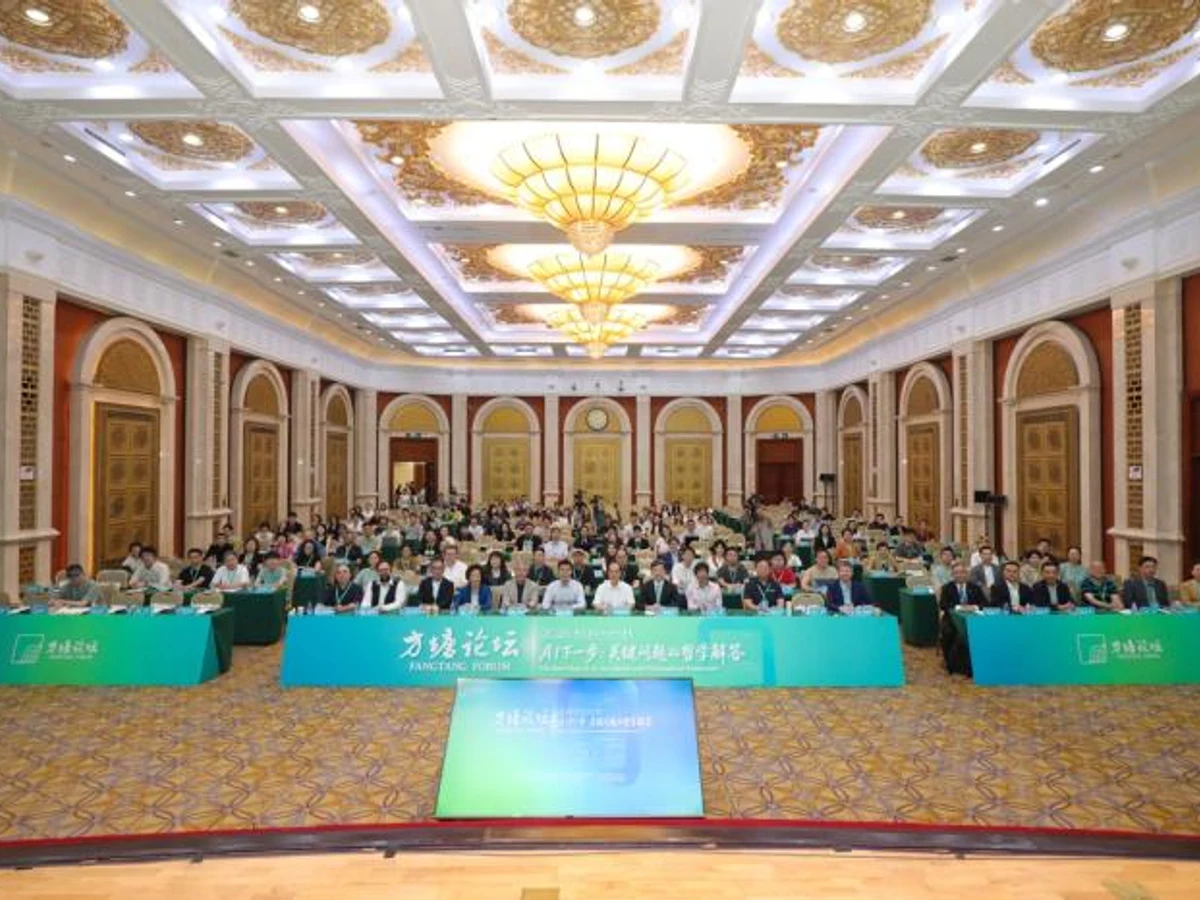
The Way of AI
Superalignment for Human-AI Symbiosis

Richard Sutton and Xiang Biao: Fangtang's Ultimate Question